
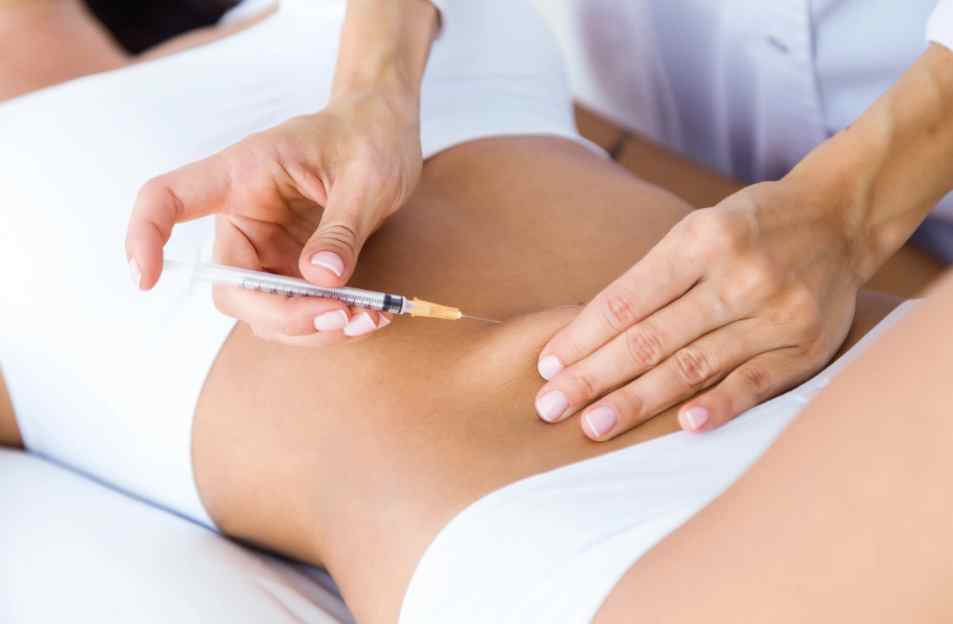
Achieving a balanced body composition often requires managing localized subcutaneous fat deposits that persist despite disciplined diet and regular exercise routines. While healthy nutrition and caloric deficits reduce overall fat cell volume, they cannot selectively target specific body areas like the abdomen, flanks, or thighs. Surgical options like liposuction provide dramatic physical alterations, but they involve anesthesia, incisions, and extended recovery periods.
Non-invasive body contouring technologies offer a targeted, non-surgical alternative for managing stubborn fat deposits. Clinical protocols detailed by Purifi IV Nashville show how low-level laser light energy safely disrupts targeted adipocyte membranes without damaging surrounding skin tissue or blood vessels. Understanding the biological difference between reducing fat cell size and permanently removing fat cells clarifies how these modern contouring procedures work.
Subcutaneous Fat vs. Visceral Fat: Knowing the Difference
Before exploring non-invasive fat reduction technologies, it is crucial to understand the distinct types of adipose (fat) tissue present in the human body.
Visceral Adipose Tissue
Visceral fat surrounds internal organs deep within the abdominal cavity. It is metabolically active and directly linked to systemic cardiovascular and metabolic health risks. Visceral fat responds quickly to dietary improvements, cardiovascular exercise, and general weight loss efforts, but it cannot be targeted by external cosmetic procedures.
Subcutaneous Adipose Tissue
Subcutaneous fat sits just below the surface of the skin and above the underlying muscle layer. It acts as an energy storehouse and temperature insulator. Because subcutaneous fat is held in place by fibrous connective tissue walls, it often resists metabolic reduction, making it the primary target for modern non-invasive body contouring treatments.
How Laser Fat Reduction Works
Laser fat reduction—often referred to as laser lipolysis or non-invasive hyperthermic contouring—uses specific light wavelengths (typically 1064 nanometers) to target and destroy subcutaneous fat cells without harming the surface skin.
┌──────────────────────────────────────────────────────────┐
│ Laser Lipolysis Mechanism │
├──────────────────────────────────────────────────────────┤
│ Wavelength Selection (1064nm light targets fat cells) │
│ ↓ │
│ Controlled Thermal Heating (Target layer reaches 42-47°C)│
│ ↓ │
│ Cellular Apoptosis (Programmed fat cell destruction) │
│ ↓ │
│ Lymphatic Clearance (Macrophages process cellular debris) │
└──────────────────────────────────────────────────────────┘
1. Selective Photothermolysis
The laser handpiece safely delivers light energy through the epidermis into the underlying subcutaneous fat layer. Adipose tissue selectively absorbs this specific wavelength, converting light energy into controlled heat, while integrated contact cooling protects the surface skin from thermal damage.
2. Induced Cellular Apoptosis
The targeted fat layer is maintained at a precise temperature between 42°C and 47°C for a set treatment duration. This controlled heating disrupts the structural integrity of subcutaneous fat cells, triggering a natural process called apoptosis—or programmed cell death—without causing sudden tissue trauma.
3. Biological Waste Clearance
Over the weeks following treatment, the body’s immune system recognizes the damaged fat cells as cellular debris. Specialized immune cells called macrophages engulf the broken-down fat particles and transport them through the lymphatic system to the liver, where they are naturally processed and eliminated from the body.
Comparing Non-Invasive Fat Reduction Modalities
| Technology Type | Energy Source | Biological Process | Primary Patient Experience |
| Laser Lipolysis | 1064nm Laser Light | Thermal Apoptosis (42°C-47°C) | Warm, tingling sensation with active surface cooling |
| Cryolipolysis | Controlled Cold Energy | Cold-Induced Apoptosis (-11°C) | Intense cold feeling transitioning to localized numbness |
| Radiofrequency Body Contouring | Bulk RF Thermal Energy | Tissue Heating & Collagen Tightening | Deep heating sensation similar to a hot stone massage |
| Ultrasound Cavitation | High-Intensity Ultrasound | Mechanical Cell Membrane Disruption | Audible buzzing sound with localized warm vibration |
Evaluating Candidates for Non-Invasive Contouring
Non-invasive fat reduction procedures are designed for targeted body sculpting rather than broad weight loss.
- Ideal Body Mass Index (BMI): Best suited for individuals within or near their recommended weight range (typically a BMI under 30) who maintain healthy lifestyle habits.
- Localized Fat Deposits: Designed to treat specific, stubborn areas like the flanks, submental region (under the chin), inner thighs, or abdomen.
- Good Skin Elasticity: Ideal for individuals with firm skin structure capable of snapping back smoothly over newly contoured underlying areas.
- Realistic Expectations: Suitable for patients looking for subtle, natural improvements rather than the dramatic structural shifts provided by invasive surgical procedures.
Recovery Guidelines and Maximizing Treatment Results
Because non-invasive laser lipolysis does not require incisions or anesthesia, recovery is straightforward, allowing patients to return to regular activities right away.
Immediately After Treatment
Patients may notice mild local redness, minor tissue firmness, or slight tenderness in treated areas, similar to the feeling after an intense workout. These normal reactions usually resolve on their own within a few days.
Supporting Lymphatic Clearance
To help your body naturally flush out released cellular debris and maximize your results, follow these straightforward post-care habits:
- Maintain High Fluid Intake: Drink plenty of water throughout the day to support active lymphatic movement and liver clearance.
- Engage in Light Exercise: Walk briskly or perform light aerobic activities daily to encourage lymphatic circulation.
- Perform Gentle Surface Massage: Massaging the treated area for a few minutes each day helps break up softening tissue and speeds recovery.
- Maintain Stable Nutrition: Stick to balanced, whole-food nutrition to prevent remaining fat cells from expanding.
By understanding the physiological science behind laser lipolysis, individuals can choose body contouring options with confidence, setting realistic goals for safe, targeted, and natural-looking body transformation.